


As the United Nations completes its eightieth year, the world faces a significant challenge. Eight decades have passed with nine Secretaries-General, all of whom have been men. For an organisation founded on the principle of equal rights of men and women, this legacy is concerning. It is essential that we address this disparity urgently.
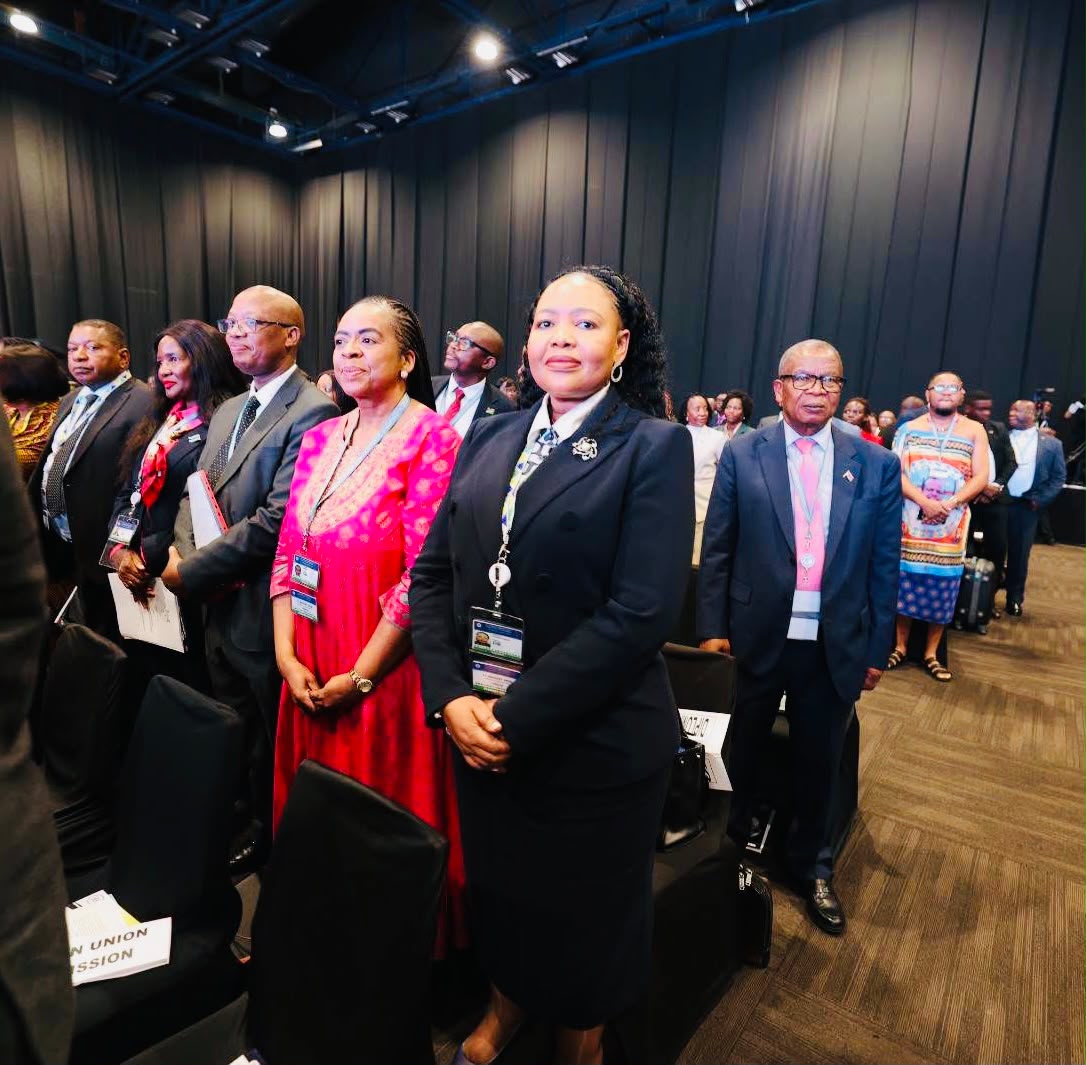
In September 2024, I had the privilege of joining nearly half of the world’s women foreign ministers in Toronto at a landmark gathering hosted by Canada’s Foreign Affairs Minister, the Honourable Melanie Joly, and co-chaired with Jamaica’s Foreign Affairs and Foreign Trade Minister, Senator the Honourable Kamina Johnson Smith. What emerged from those two days was not merely a conversation. It was a collective declaration.
“We discussed the question of gender imbalance within the UN system. It is time for a woman Secretary-General. We strongly encourage member states considering the nomination of a candidate for the position of the United Nations Secretary General, to nominate women.” — Co-chairs’ Statement, Women Foreign Ministers’ Meeting, Toronto, 20 September 2024
This is not a call born of sentiment. It is a call grounded in the hard reality of numbers. Women hold roughly one in four parliamentary seats globally. Out of 79 presidents of the UN General Assembly, only four have been women. The deputy secretary-general role has at times been held by women, including Canada’s distinguished Louise Frechette, yet the top post has remained beyond reach. With states set to nominate the UN’s tenth Secretary-General for a term beginning in 2027, we have a once-in-a-generation opportunity to change that.
The world the UN was built to serve looks nothing like it did in 1945. The challenges before us, including armed conflict, climate breakdown, deepening inequality, and the erosion of multilateral trust, are not the same as those of a post-war world. They demand new approaches rooted in collaboration, empathy, and the willingness to centre voices that have historically been marginalised. Women leaders have demonstrated, time and again, that these are not soft skills. They are strategic ones.
At the Toronto meeting, what our gatherings consistently reinforced was clear: the work of promoting gender equality cannot be separated from the structures of global governance. Our discussions emphasised the importance of embedding gender equality as a core principle in both domestic and international strategies. The UN’s leadership structure is one of the most visible and consequential of those international strategies.
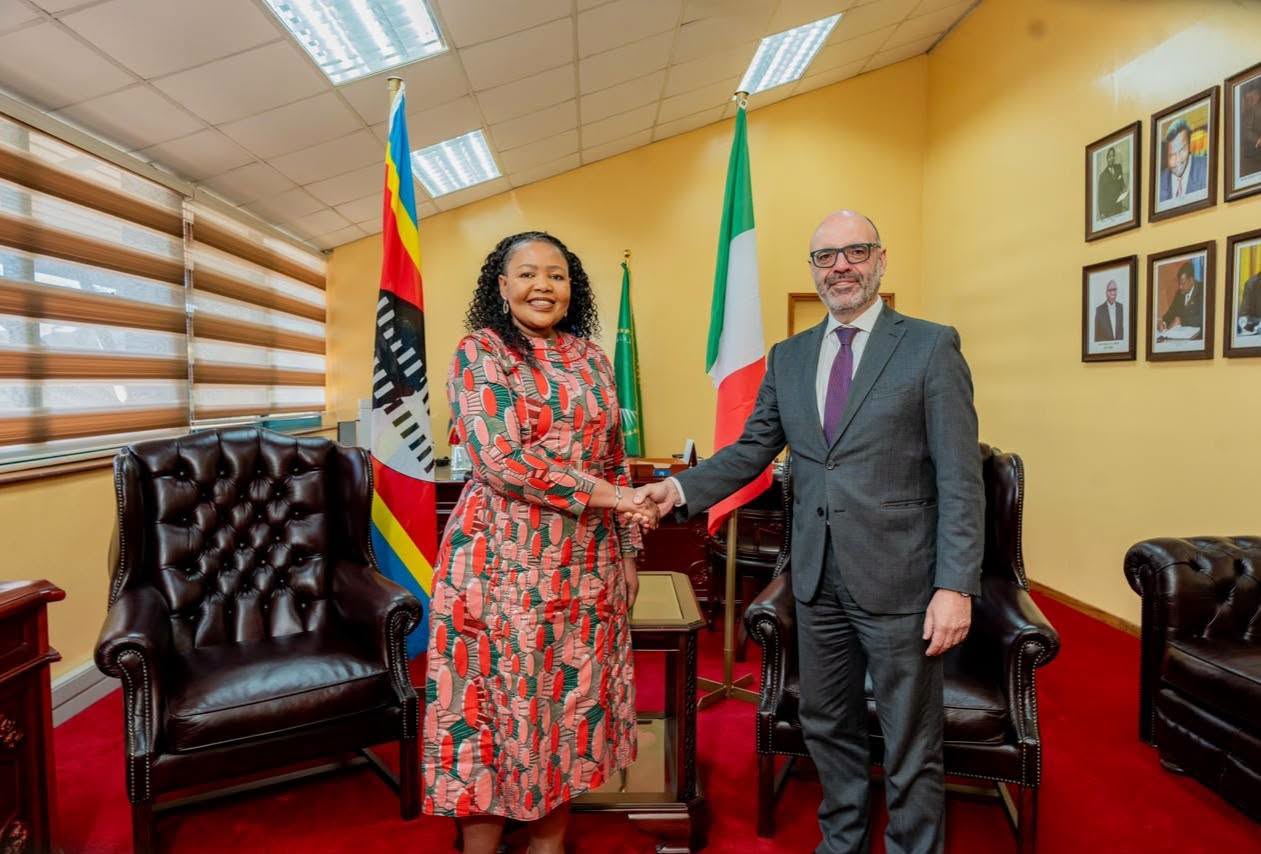
I have continued to carry this call into every multilateral forum. Most recently, at the third Eswatini-EU Partnership Dialogue in Mbabane on 8 May 2026, a gathering marking fifty years of partnership between the Kingdom of Eswatini and the European Union, I again raised this issue directly with assembled ambassadors and EU representatives. Against a backdrop of shifting global geopolitics, I expressed my personal concern about the gender imbalance within the United Nations system, and stated plainly: it is time for a woman Secretary-General.
Our Toronto gathering also confronted a related and deeply troubling trend: the alarming rise of online misogyny targeting women in politics. Nearly every minister present shared experiences of coordinated social media attacks designed not to debate policy, but to silence and humiliate. This weaponisation of digital spaces has real consequences. It shrinks the pipeline of women willing to enter public life, and it sends a chilling message to the next generation.
“We are concerned with the growing hate and misogynistic discourse found online targeting women, particularly in civic spaces. The safety of online public spaces is a public good for societies and democracies as a whole.” — Co-chairs’ Statement, Toronto, 20 September 2024
The same forces that push women out of national politics also shape who is considered ready for the world’s top multilateral post. We cannot separate the battle for a woman Secretary-General from the broader battle against the structural and cultural barriers that have kept women from power. Electing a woman to lead the UN would send a signal heard in parliaments, schools, and households around the world: that leadership is not a gendered concept.
The timing could not be more significant. The year 2025 marked the thirtieth anniversary of the Beijing Declaration and Platform for Action, and the twenty-fifth anniversary of UN Security Council Resolution 1325 on Women, Peace and Security. These were hard-fought milestones. As the co-chairs’ statement rightly cautioned, we cannot take these gains for granted. The appointment of the next Secretary-General is one of the clearest tests of whether the world’s leaders intend to honour those commitments or merely commemorate them.
There are already several names in consideration for the role, including women of exceptional calibre and global stature. Member states have both the opportunity and the responsibility to give those candidacies the serious consideration they deserve.
The United Nations was founded on the belief that international cooperation could build a more peaceful, just, and equitable world. After eighty years, it is time for its leadership to fully reflect the world it serves, a world where women are not afterthoughts or supporting roles, but architects of solutions and stewards of our shared future.