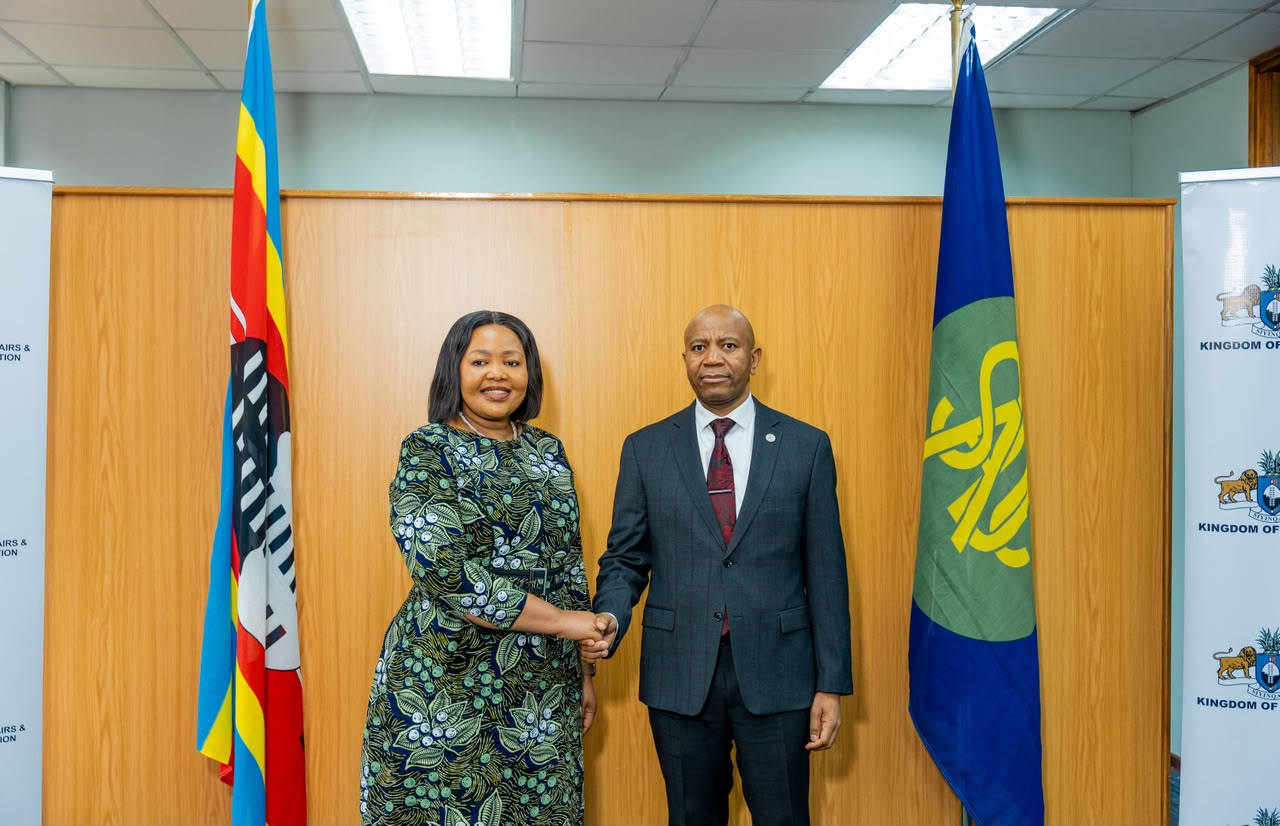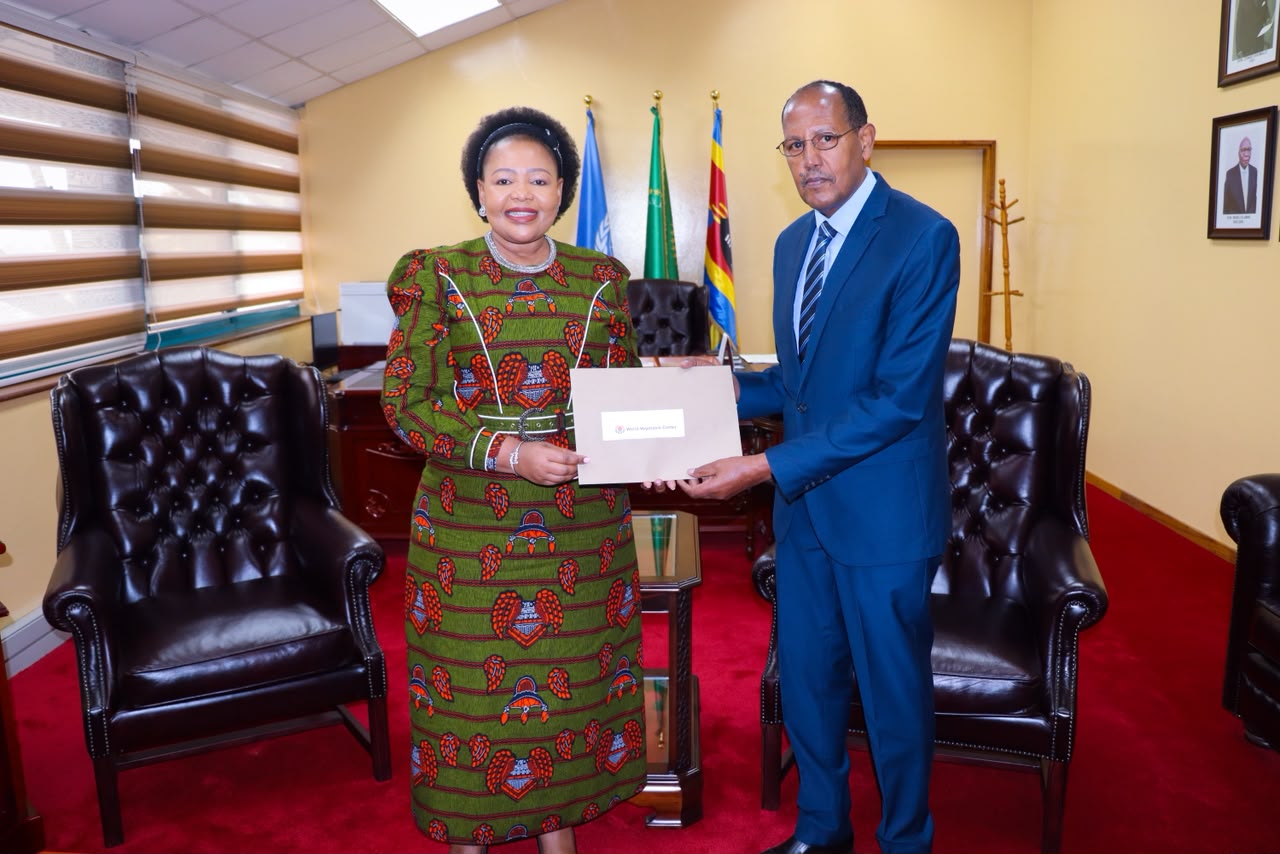

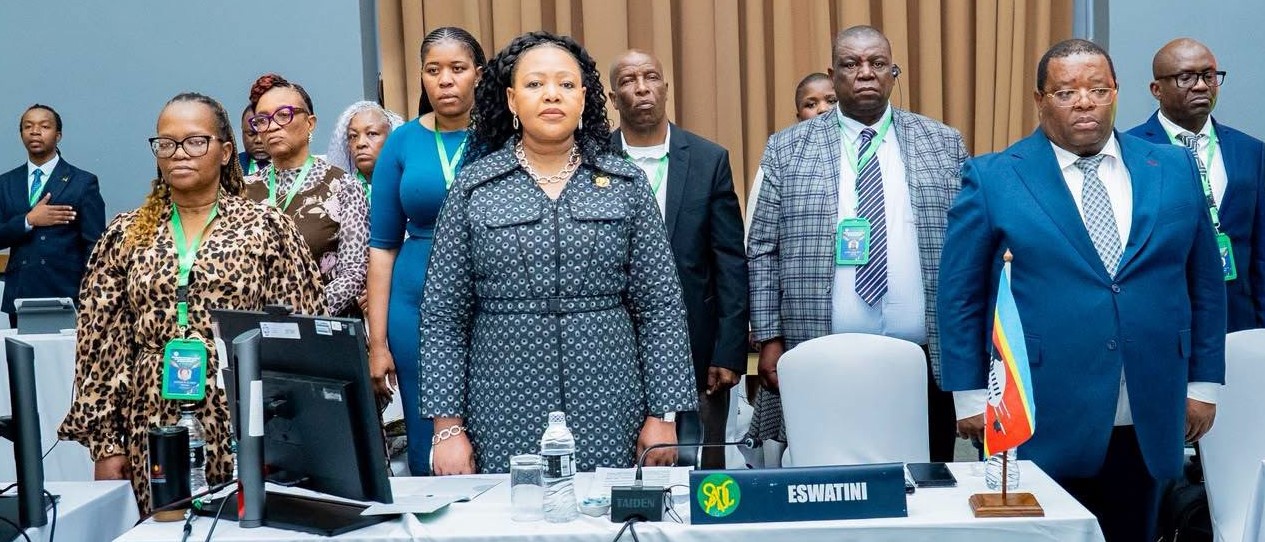

Minister of Foreign Affairs and International Cooperation, Senator Pholile Shakantu, has reaffirmed the Kingdom of Eswatini’s commitment to strengthening peace, security, democratic governance and regional integration across Southern Africa following the 28th Session of the SADC Ministerial Committee of the Organ (MCO) on Politics, Defence and Security Cooperation.
The meeting, held in Salima, Malawi, from 16 to 17 July 2026, brought together ministers responsible for politics, defence and security to review progress on regional priorities and adopt measures aimed at addressing emerging political, security and governance challenges.
As the Incoming Chairperson of the Ministerial Committee of the Organ, Senator Shakantu led Eswatini’s delegation and commended the country’s technical team for its dedication and professionalism throughout the session.
The Committee endorsed a wide-ranging package of decisions designed to strengthen peace and security, improve migration management, combat corruption and organised crime, preserve the region’s liberation heritage and deepen cooperation among SADC Member States.
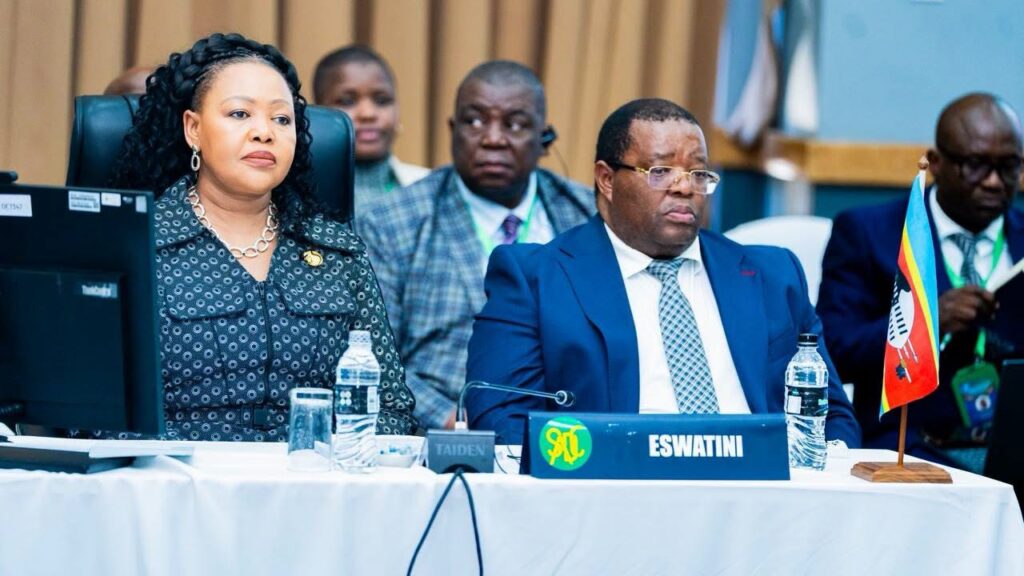
Discussions focused on mediation and conflict prevention, democratic governance, humanitarian response, migration management and counter terrorism cooperation. Ministers agreed that lasting peace and regional resilience depend on coordinated action, effective institutions and unwavering respect for human rights and the rule of law.
The meeting also reviewed developments in the eastern Democratic Republic of Congo (DRC), where ministers conveyed condolences to the Government and people of the DRC following the Ebola outbreak. They called for coordinated humanitarian and public health interventions while reaffirming the importance of regional solidarity and timely information sharing.
The Committee further welcomed Madagascar’s call for inclusive dialogue and peaceful engagement to resolve differences, encouraging constructive cooperation among Member States.
On Mozambique, ministers welcomed progress made through the Inclusive National Dialogue process and praised the signing of the Political Commitment for an Inclusive National Dialogue as an important milestone towards national reconciliation, social cohesion and sustainable peace.
Looking ahead, ministers identified climate induced food insecurity, unemployment, poverty, public health pressures and geopolitical instability as key challenges facing the region. They agreed that accelerating industrialisation, promoting value addition, expanding intra regional trade and reducing dependence on external markets will be critical to building stronger and more resilient economies.
Special attention was also given to developing a regional strategy for critical minerals, including lithium, cobalt and nickel, recognising their growing significance in industrial development and the global energy transition.
The Committee also endorsed measures to strengthen regional efforts against terrorism and violent extremism through the establishment of National Counter Terrorism Centres, improved intelligence sharing, specialised training programmes and closer collaboration among security agencies, while ensuring that all security initiatives continue to respect democratic values, human rights and the rule of law.
Reflecting on the outcomes of the meeting, Senator Shakantu said the decisions adopted demonstrate SADC’s collective determination to preserve peace, strengthen democratic governance, promote economic resilience and accelerate regional integration for the benefit of the people of Southern Africa.
She also noted that the Kingdom of Eswatini stands ready to fulfil its responsibilities when His Majesty King Mswati III assumes the Chairmanship of the SADC Organ on Politics, Defence and Security Cooperation at the next SADC Summit, reaffirming the country’s commitment to advancing peace, stability and sustainable development across the region.