

New York, 22 September 2026
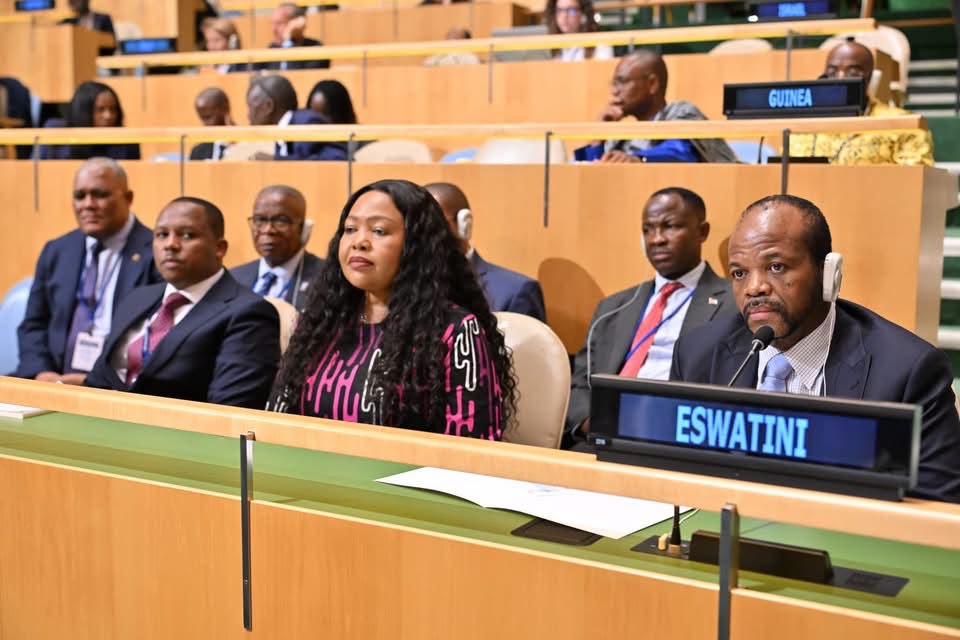
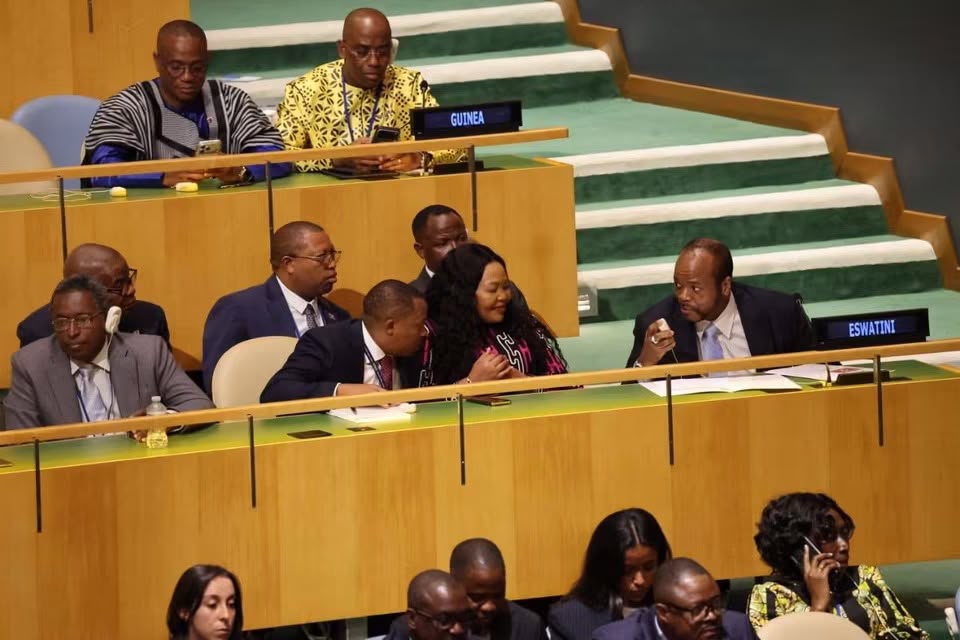
It was an honour to be in the General Assembly Hall this week for the opening of the general debate of the 81st Session of the United Nations General Assembly. I was part of the delegation of the Kingdom of Eswatini, led by His Majesty King Mswati III, as world leaders set out their priorities on peace, security, development and international cooperation.
The session was opened by the Secretary-General of the United Nations, António Guterres, who delivered his final address to the General Assembly. It was a sobering and reflective speech. He spoke candidly about the challenges confronting the international community and called for renewed cooperation in tackling conflict, inequality, organised crime and global instability. Listening to him, I was reminded of how much our shared future depends on nations choosing dialogue over division.
As is tradition, the President of Brazil was the first head of state to take the podium. Brazil has opened the general debate since the early years of the organisation, a practice that traces back to the first General Assembly in 1946, when the Brazilian diplomat Osvaldo Aranha was among the first to speak. The United States, as host country, traditionally follows.
The Brazilian President’s message was a powerful one: there are no true winners on the battlefield. He warned that armed conflict brings destruction and lasting suffering to every side. He also raised concerns about money laundering by Brazilians abroad, the close links between organised crime and corruption, and the growing reach of misinformation networks. These are concerns that many nations, large and small, will recognise.
President Donald Trump spoke next, focusing on his administration’s priorities of national security, economic growth and the protection of American interests. He outlined efforts to reduce poverty, remove regulations that hold back business, combat illegal immigration and address violent crime, presenting these as part of a wider effort to resolve problems left unresolved for decades. He also marked the 250th anniversary of the United States and its continuing role in world affairs. On technology, he drew a distinction between artificial intelligence and what he called “super intelligence”, suggesting that the latter could have an impact greater than the Industrial Revolution.
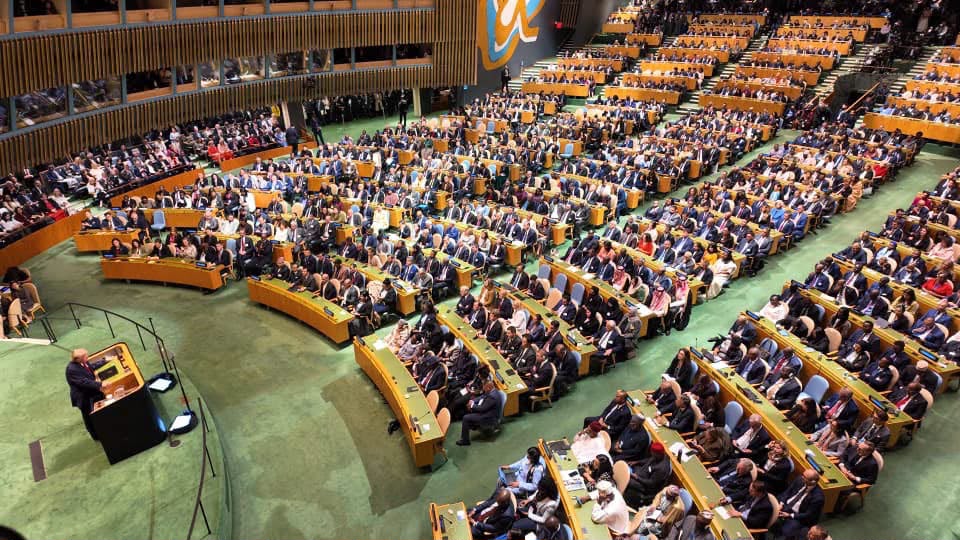
Over the course of the day, a number of recurring themes emerged. Several leaders spoke about the protection of the family and the importance of preserving the social institutions that hold communities together, with some expressing concern that certain gender policies could weaken the traditional family structure.
Education featured prominently. Speaker after speaker described it as a central tool for development, calling for reform of education systems and greater support for teachers. Some warned that teachers are increasingly struggling to maintain order in their classrooms and urged countries to restore respect for authority and discipline. As a mother and as a public servant, I found these reflections especially meaningful, because the strength of any nation begins in its classrooms.
I was also encouraged by the calls to remove unfair barriers to development and investment, particularly for developing countries. Leaders stressed the need to facilitate investment, strengthen education and create the conditions in which economies can grow. For countries like Eswatini, this is not an abstract debate. It speaks directly to the opportunities we want to create for our people, especially our young people.
International organised crime and transnational criminal networks were another major concern. There were strong calls for closer cooperation to confront trafficking, corruption, money laundering and other crimes that respect no borders. No country can meet these threats alone.
Taken together, the opening debate painted a picture of a world facing many challenges at once: armed conflict, organised crime, migration, rapid technological change, poverty, weak institutions and social disruption. What struck me most was the shared recognition that practical international cooperation is essential, even as nations continue to hold different views on how best to respond.
These are the conversations that shape the world our children will inherit, and I am proud that Eswatini is part of them. His Majesty King Mswati III will address the Assembly on 23 September 2026, and I look forward to sharing more on the Kingdom’s message to the world.