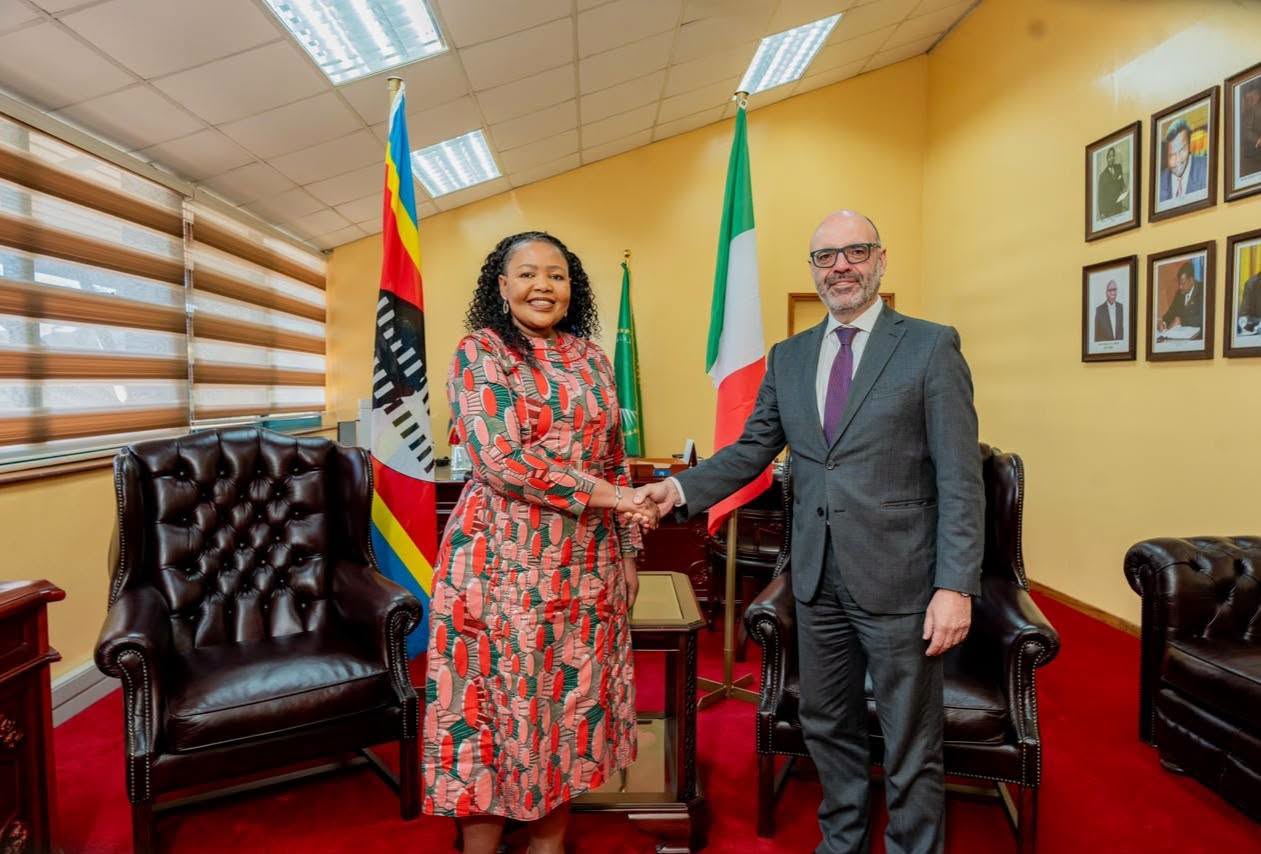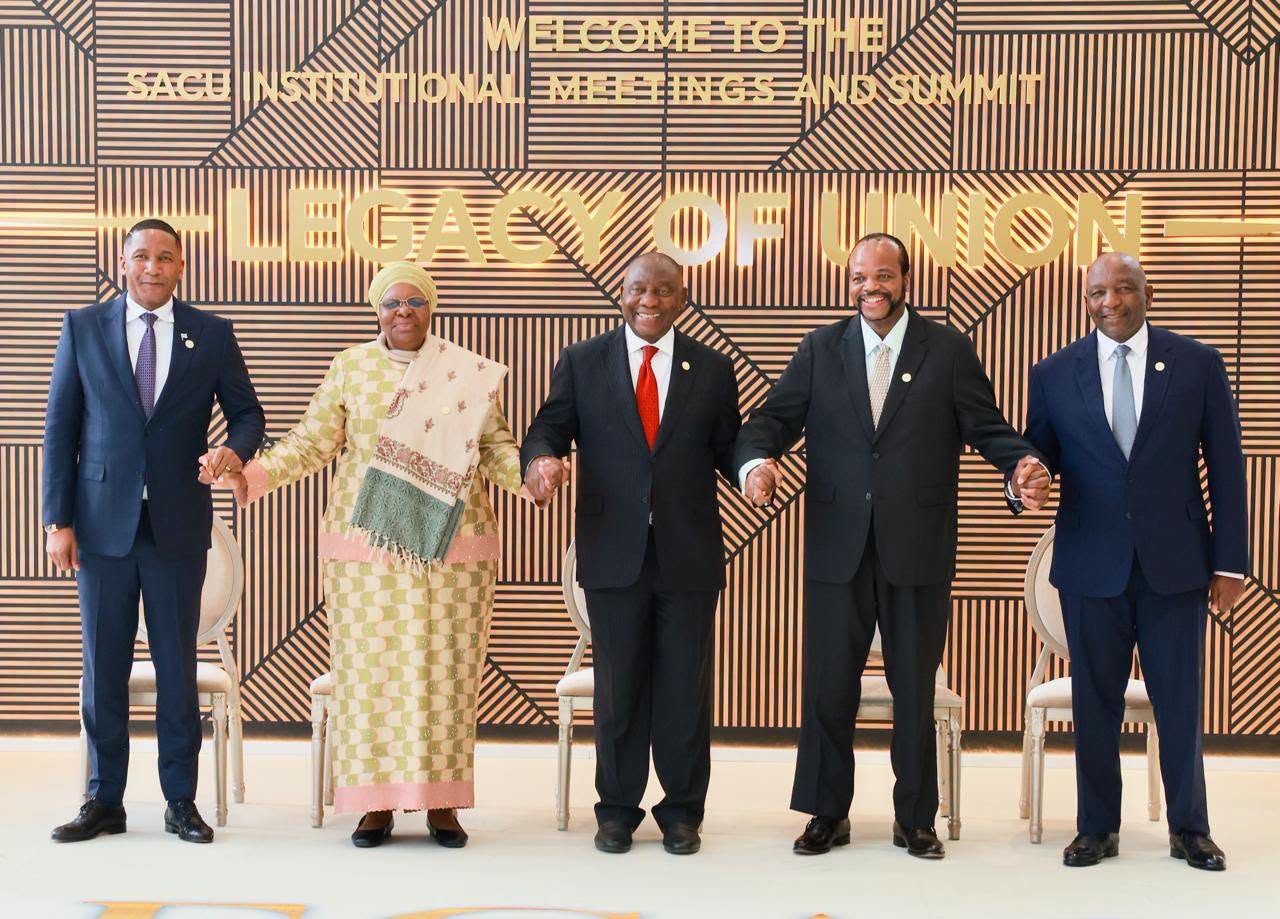

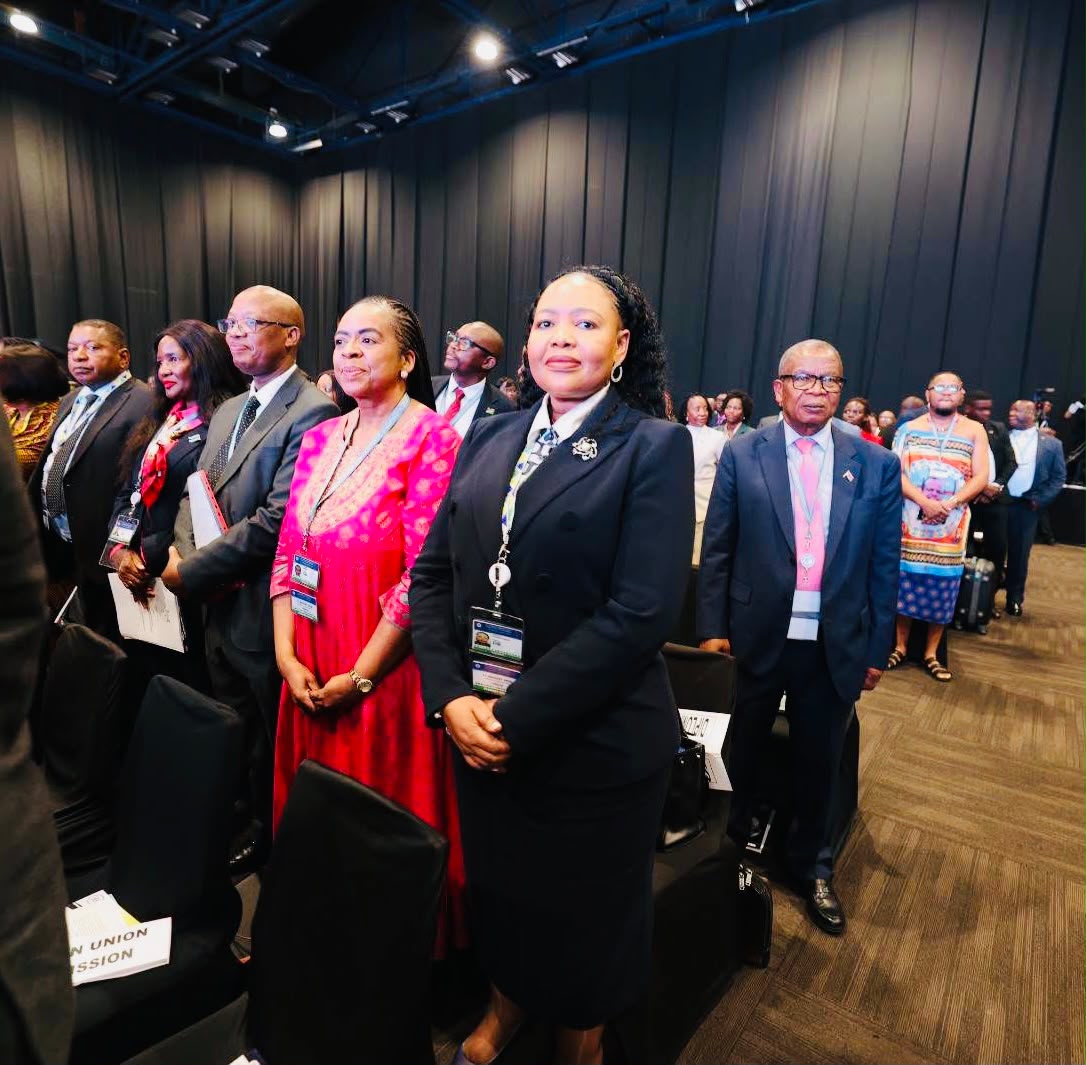

On 17 August 2026, I had the privilege of joining His Majesty King Mswati III’s delegation at the 46th Summit of SADC Heads of State and Government in Durban, South Africa.
The summit was held under the theme, “Resilient, sustainable and inclusive industrialisation through Infrastructure Development, Agricultural and Critical Minerals Transformation in Pursuit of a Just World”.
The date also marked an important milestone in the history of the Southern African Development Community. On 17 August 1992, in Windhoek, Namibia, the Southern African Development Coordination Conference, established in 1980, was transformed through a treaty into SADC as a regional organisation.
The objectives of the treaty include promoting sustainable economic growth and development, reducing poverty, improving the quality of life, strengthening regional integration and cooperation, promoting the sustainable use of natural resources, and supporting peace, security and political stability.
The treaty also recognises the importance of supporting disadvantaged groups and communities.
A new approach to industrialisation
Reflecting on SADC’s journey, from its establishment as a coordinating conference in 1980 to its development into a regional organisation in 1992, it is clear that Southern Africa has made important progress in addressing socio-economic challenges and strengthening cooperation among member states.
As we look ahead, however, we must focus on transforming our natural resources, agricultural potential and infrastructure into productive industries that create decent employment and improve the living standards of all citizens.
Industrialisation in Southern Africa must be redefined. It must go beyond the construction of factories to include local value addition, technological innovation, skills development, stronger regional trade and inclusive economic participation.
An integrated approach is essential to ensure that industrialisation benefits all people, particularly marginalised and underrepresented groups.
Our region is home to approximately 400 million citizens. We must empower them not only as workers, but also as active stakeholders in the industrialisation process.
This means shifting from a model where individuals are merely seen as cheap labour for multinational corporations to one where they can become owners, entrepreneurs and innovators in their own right.
We must encourage a culture of entrepreneurship that enables local businesses to grow and prosper alongside foreign direct investment.
Foreign direct investment remains important for stimulating economic growth, but it must be complemented by deliberate efforts to nurture local investors and businesses.
Promoting local entrepreneurship is fundamental to achieving economic justice and advancing the goal of a just world for our communities. A balanced approach will help ensure that economic benefits are distributed more equitably and that ordinary citizens have meaningful opportunities to participate in and benefit from economic growth.
Agriculture and food security
Agriculture must move beyond the export of unprocessed crops. We need to invest in agro-processing, storage, packaging, food manufacturing and distribution.
This approach can help reduce food imports, create employment in rural communities and strengthen food security across the region.
Several measures are necessary. These include improving irrigation, expanding farmers’ access to finance and technology, strengthening agricultural extension services, supporting cooperatives and reducing post-harvest losses.
Climate-smart agriculture must also become a priority. Droughts, floods and changing weather patterns continue to threaten agricultural production and the livelihoods of communities across Southern Africa.
Women and young people must have equal access to land, finance, training and markets. Their participation is essential to achieving inclusive agricultural growth and building stronger rural economies.
Developing our mineral wealth
SADC member states continue to export large quantities of unprocessed minerals, limiting the benefits that the region receives from its own natural wealth.
Raw mineral exports create fewer jobs, generate less technological development and allow the region to capture only a small share of the value created along global supply chains.
In many cases, we export the resources needed to manufacture advanced products and later import those same products at a much higher cost.
As we move towards five decades of regional cooperation, Southern Africa must take greater collective responsibility for the development and management of its mineral resources.
This requires a coordinated regional minerals strategy that promotes exploration, responsible extraction, processing, refining and manufacturing within the region.
Our objective should be to establish integrated value chains for products such as refined metals, batteries, renewable energy equipment, electric vehicles and other advanced technologies.
Such an approach would allow SADC countries to create more employment, strengthen industrial capacity, develop technical skills and retain a greater share of the value generated from the region’s resources.
Investing in our people
True development in Southern Africa must involve a meaningful transfer of wealth and opportunities to our citizens.
This requires sustained investment in education and training so that our people acquire the skills needed to participate in emerging industries.
We must also foster environments that stimulate innovation and create supportive networks for local entrepreneurs.
Only through these measures can we achieve sustainable growth that benefits the entire region and transforms SADC into a community defined by prosperity, inclusion and economic justice.
Southern Africa can become more resilient and prosperous by applying the principles of the SADC Treaty through coordinated infrastructure development, diversified industries, sustainable agriculture and regional critical mineral value chains.
Our goal must not be limited to higher production. We must pursue shared prosperity, economic independence, environmental protection and a fairer global economic system.