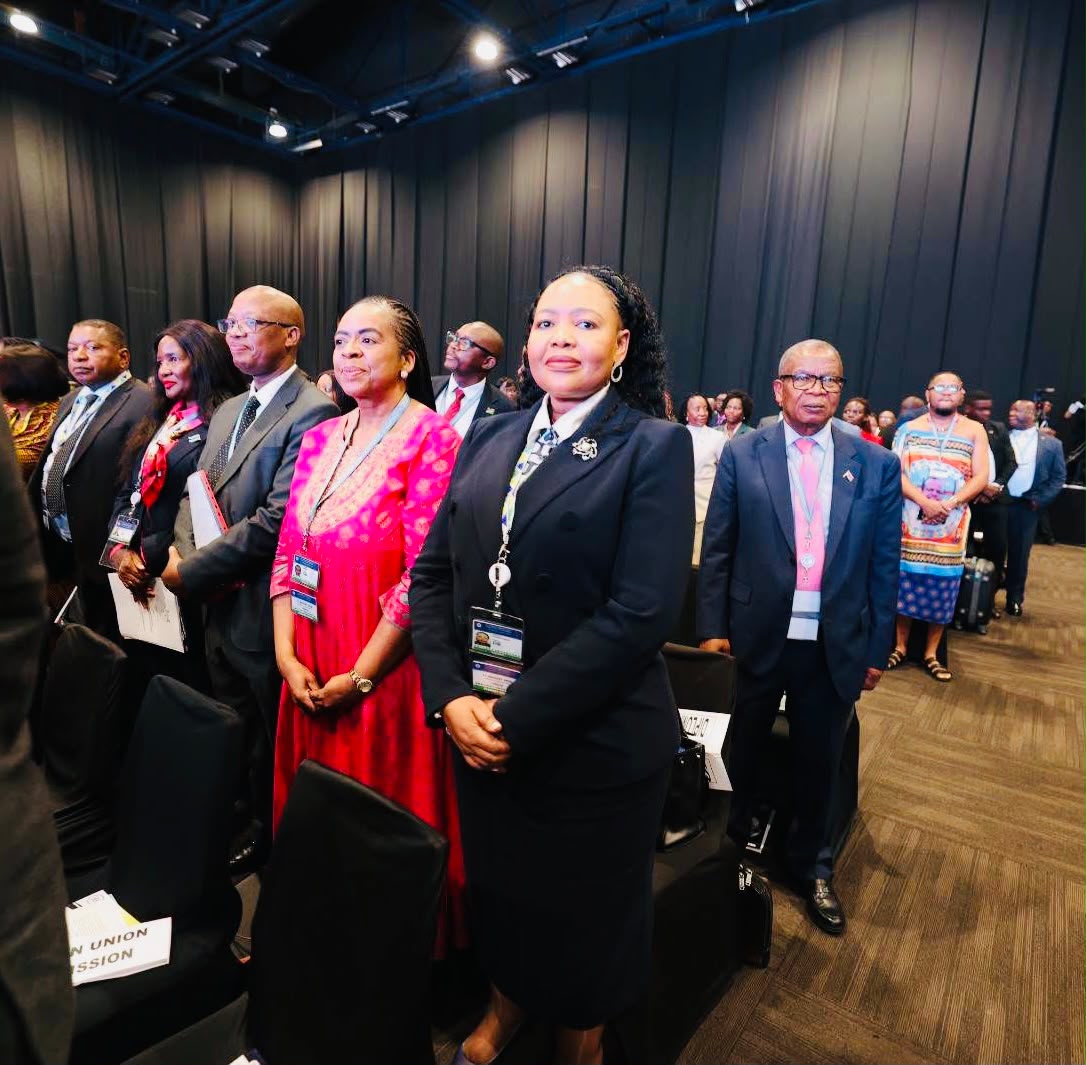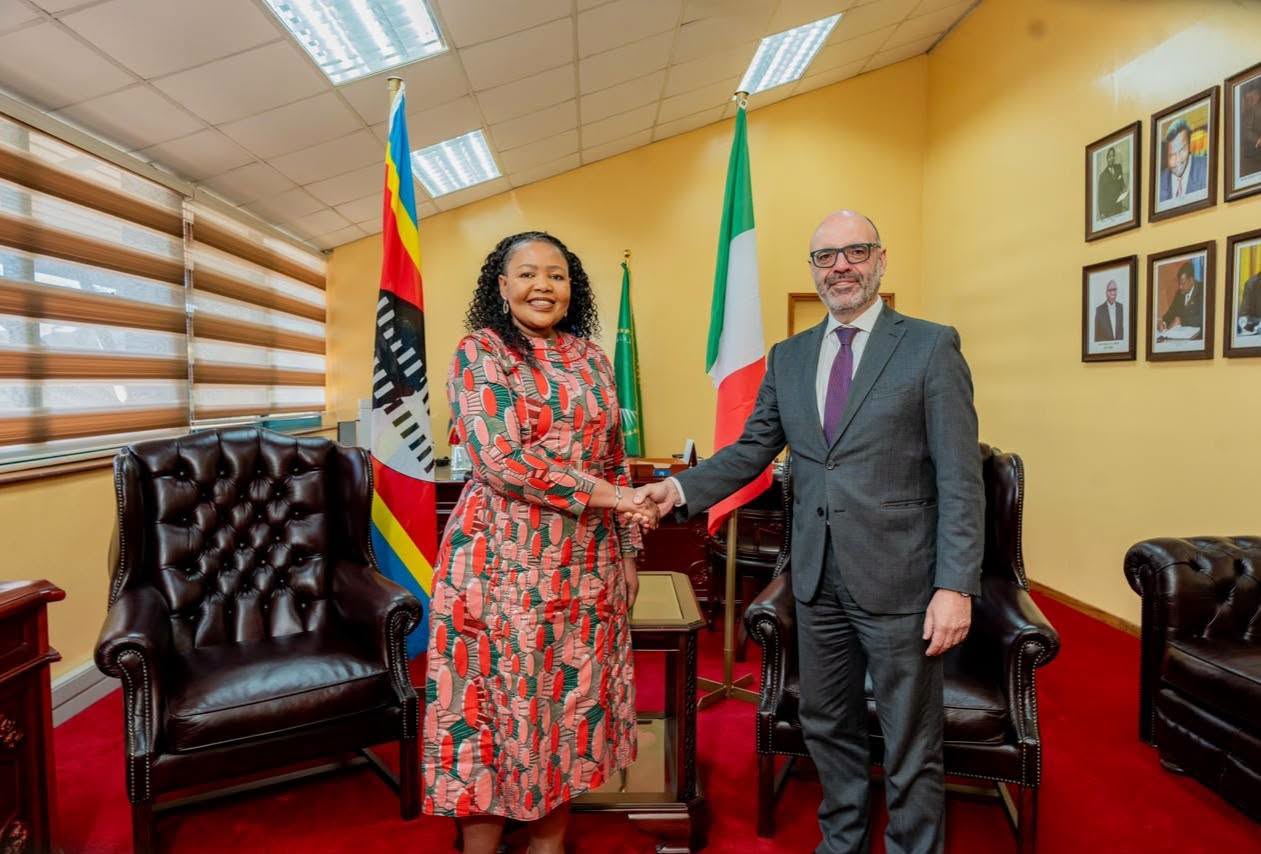

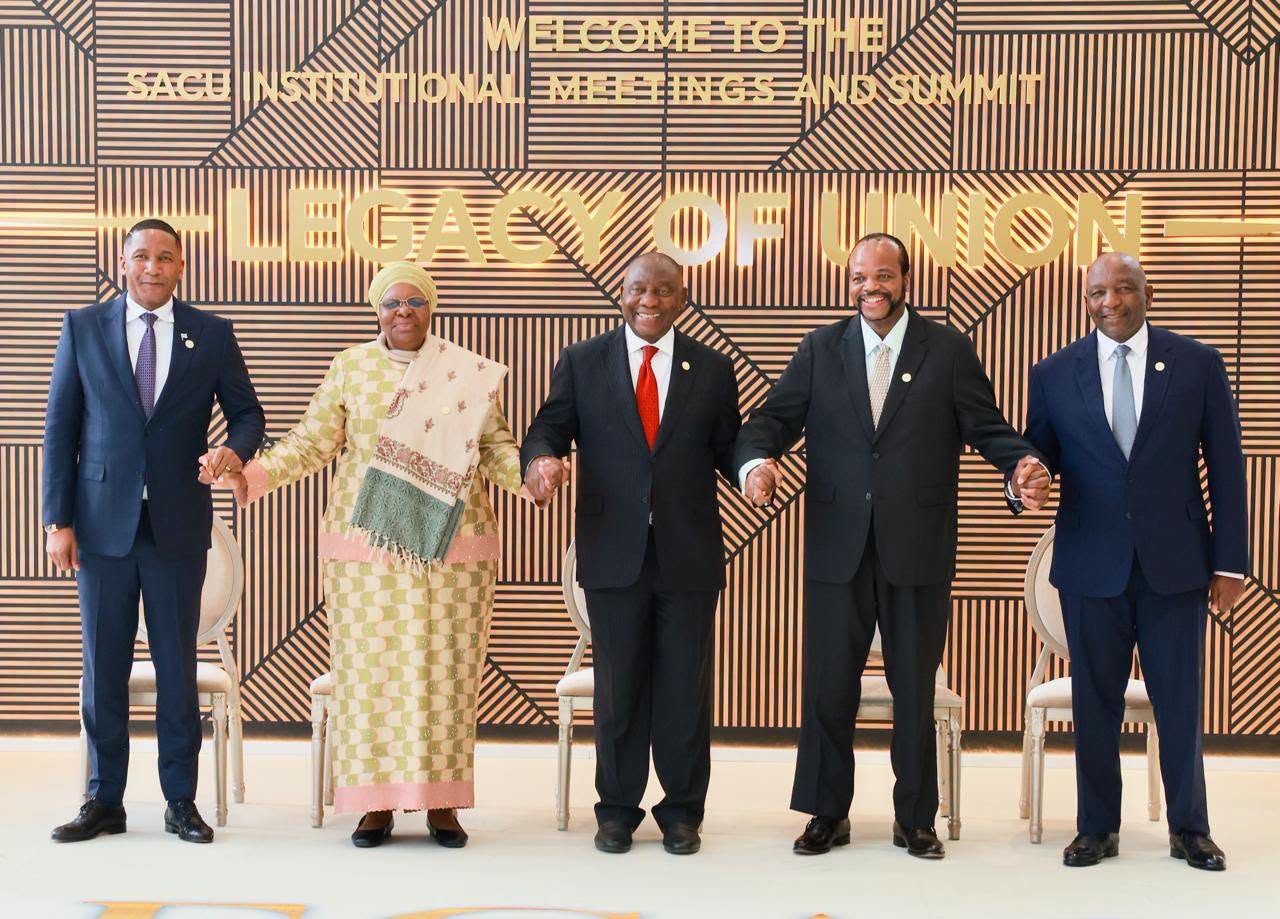

Botswana President Duma Boko arrived at the 9th SACU Summit in Cape Town prepared to speak about trade. He left having delivered what may prove to be the summit’s most quoted remarks.
President Boko commended His Majesty King Mswati III for his visible leadership and for a tradition the Swazi nation has carried across generations: the Imbongi, or praise singer. Drawing on Percy Bysshe Shelley’s essay on poetry, he described the Imbongi as “the hierophants of an unapprehended inspiration.”
It was a deliberate choice of phrase. In deploying Shelley’s words, the Botswana leader signalled that praise singers are not ornamental figures at royal ceremonies. They are custodians of a nation’s memory and its collective aspirations.
The timing of that observation matters. SACU turns 116 this year, making it one of the world’s oldest customs unions. The Cape Town summit convened heads of state and ministers to examine trade facilitation, regional integration, and development frameworks built across more than a century of cooperative effort. Within that conversation, the Imbongi tradition offered an unexpected lens through which to assess regional cohesion.
View this post on Instagram
The tradition has deep roots in Eswatini’s royal court and national life. Praise singers recite the Tibongo, the praises of the King and the Queen Mother, in a poetic form that weaves together history, royal genealogy, and the milestones of national significance. These verses are not ceremonial decoration. They are a living archive, memorised and transmitted across generations so that the stories of the royal house and the nation endure even as political and economic circumstances change around them.
That model of continuity carries a direct lesson for regional policymakers. Trade agreements and tariff schedules generate the headlines at summits like this one, but they rest on something older and harder to quantify: a shared sense of historical identity. The Imbongi makes that identity audible. In an era when economic integration can feel abstract to ordinary citizens, a tradition that translates collective memory into living speech offers policymakers a reminder of what regional cooperation is ultimately for.
Cultural diplomacy is not a soft alternative to hard economic strategy. Deployed deliberately, it can complement trade policy and investment promotion in ways that no schedule of preferential tariffs can replicate. When President Boko elevated the role of the Imbongi at a summit whose agenda was otherwise defined by balance-of-payments statistics and revenue-sharing formulas, he was making a strategic argument: that a region’s resilience is measured not only in its trade volumes but in the depth of its cultural memory and its capacity to convert that memory into common purpose.
The 9th SACU Summit has concluded. The communiqués, the ministerial declarations, and the appointment of a new Executive Secretary will define its immediate legacy. But President Boko’s words at that podium point toward something the formal record will not fully capture. Regional integration, at its most durable, is not only a set of rules governing goods and services across borders. It is the accumulated weight of shared stories, and the living voices still charged with telling them.
We are one people, separated by borders we did not draw. The Imbongi has always known that.